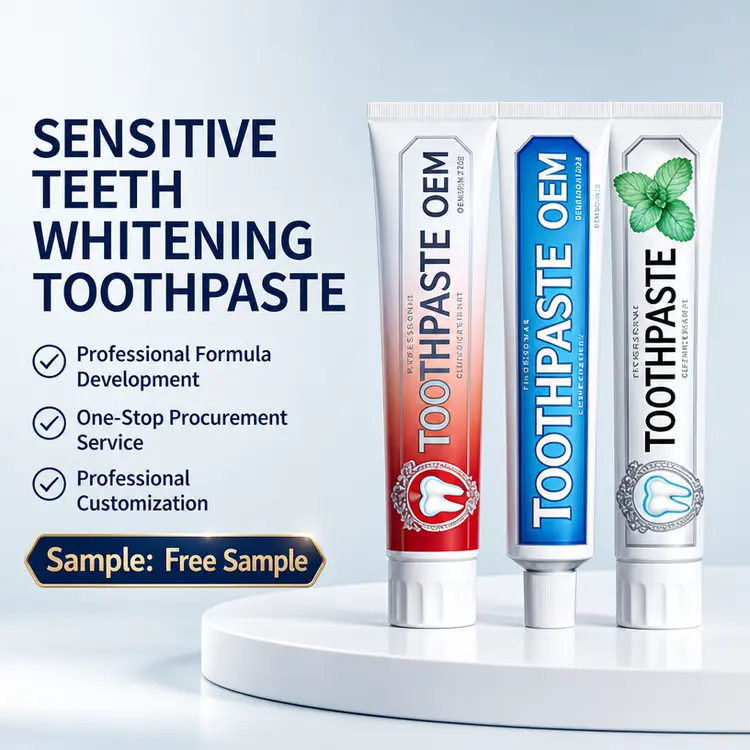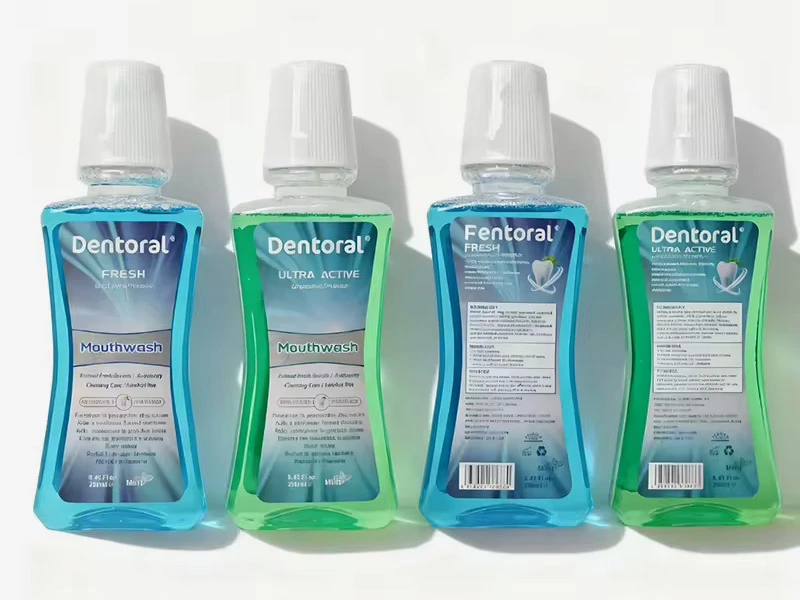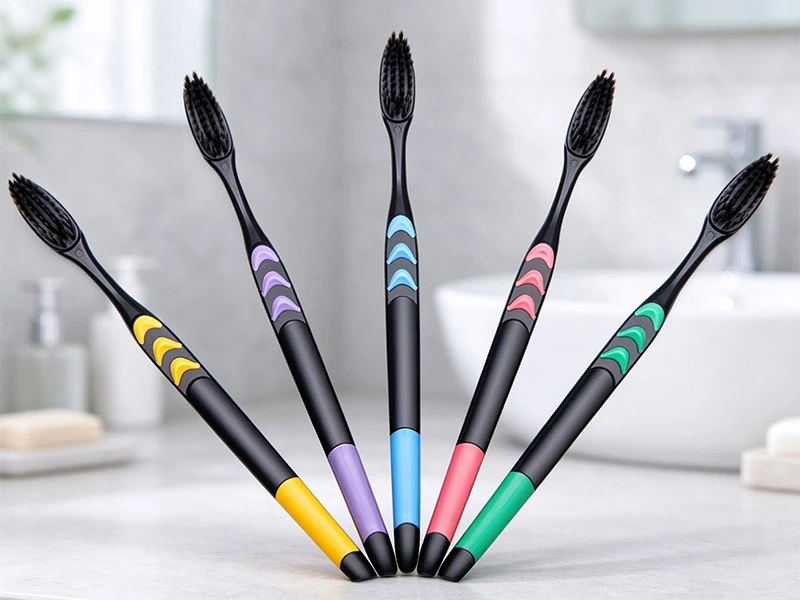
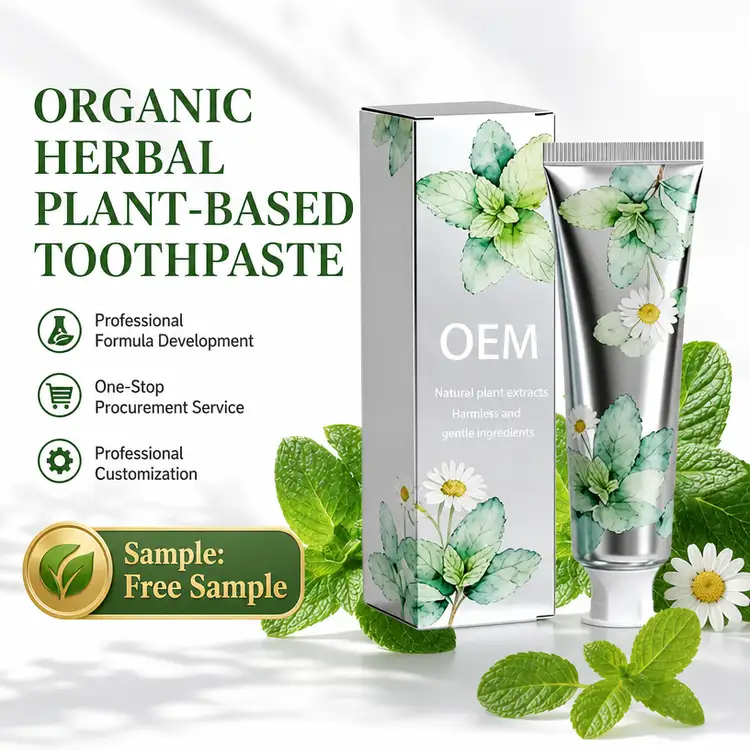
Organic Herbal Plant-Based Toothpaste combines a plant-based product concept with selected herbal or botanical ingredients, where applicable. In simple terms, the product is a daily toothpaste with a plant-focused formula direction. The exact ingredients, organic status, certification, and permitted wording must be confirmed from the final formula and supporting documents.
The toothpaste can be developed for oral-care brands, supermarkets, retail chains, online stores, pharmacies where permitted, and private-label product ranges. Formula direction, paste texture, flavour, packaging, samples, MOQ, and technical documents can be reviewed before production.
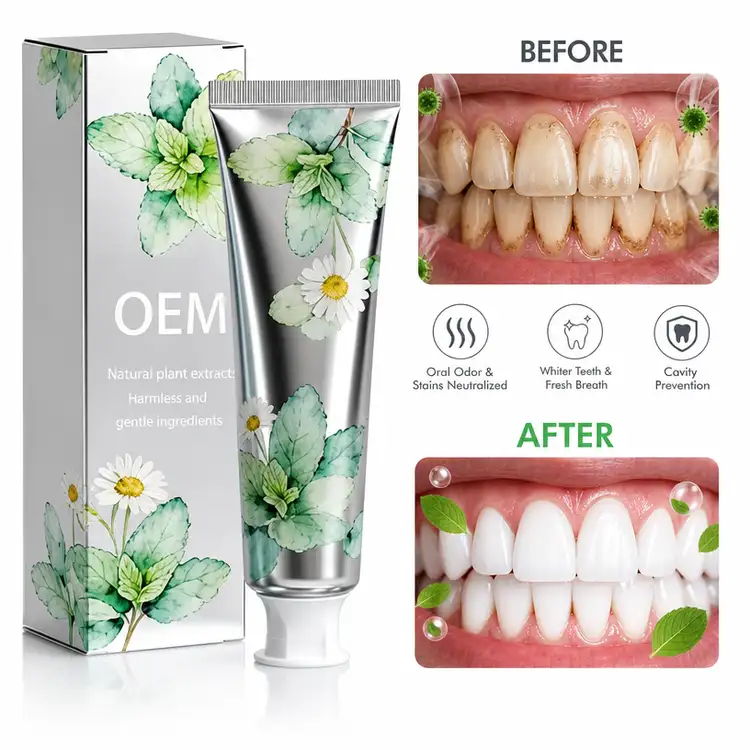
Plant-based means that the formula direction may include selected ingredients sourced from plants or botanical materials. It does not automatically mean that every ingredient is plant-derived. The full ingredient list and supplier documents should be checked before this wording is used on a product page or label.
Herbal positioning should match the actual ingredients used in the formula. Possible directions may include botanical extracts, plant-derived flavours, or other agreed herbal materials, but no specific plant, function, or concentration should be stated until confirmed in the approved formula.
Organic is a regulated term in many markets. It should be used only when the formula, ingredient sourcing, certification, and label requirements support it. If no certification has been confirmed, a more careful phrase such as “organic-style formula direction” may be appropriate during product development.
The toothpaste is designed for routine cleaning of tooth surfaces and removal of ordinary food residue. Cleaning strength, abrasivity, foam, rinsing feel, and aftertaste can be reviewed to match the intended product position and target market.
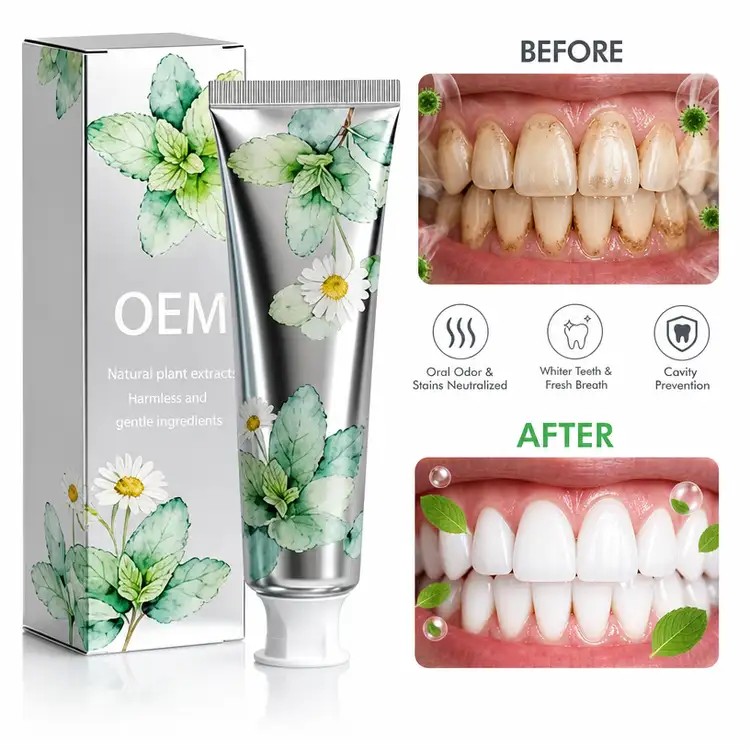
The formula may be developed for common external stains related to coffee, tea, and other coloured drinks. Any whitening or stain-care wording should reflect the tested performance of the finished product.
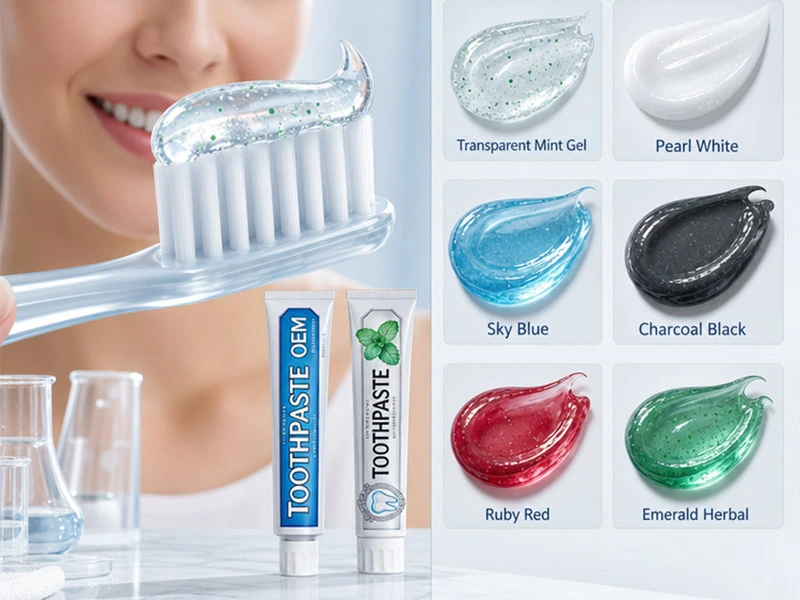
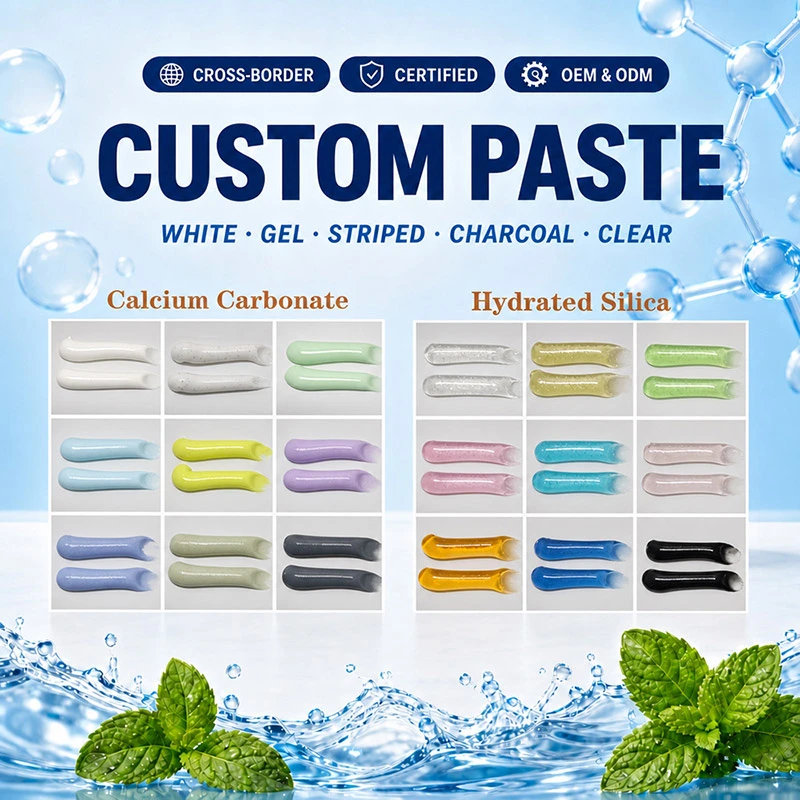
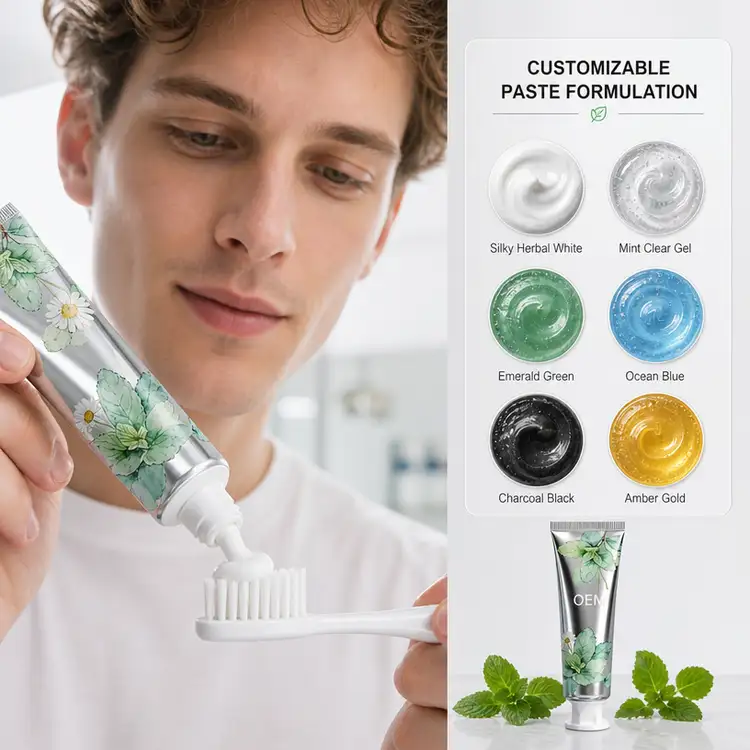
The paste can be prepared with a smooth or fine texture and a medium or softer extrusion profile. Colour, gloss, viscosity, foam, spreadability, rinsing behaviour, and mouthfeel should be confirmed with the approved sample.
Mint, mild mint, cooling mint, fruit, citrus, herbal, botanical, or floral profiles can be evaluated. Tube material, capacity, cap style, printing, surface finish, and carton design can be selected for the intended retail channel.
Organic Herbal Plant-Based Toothpaste is a daily adult toothpaste for brands looking for a clear plant-focused and herbal product concept. It is suitable for regular brushing and can be positioned around simple oral care, selected botanical ingredients, and a controlled surface-stain care message when supported by the final formula and tests.
The product should be described according to its actual ingredients, sourcing documents, certification status, product tests, approved label, and the regulations of the target sales country. It is not presented as a dental treatment or as a substitute for professional dental care.
A clear way to explain the product is: it is a daily toothpaste developed with a plant-based or herbal formula direction. The exact ingredients and any organic claim depend on the approved formula, sourcing records, certification, and local labeling rules.
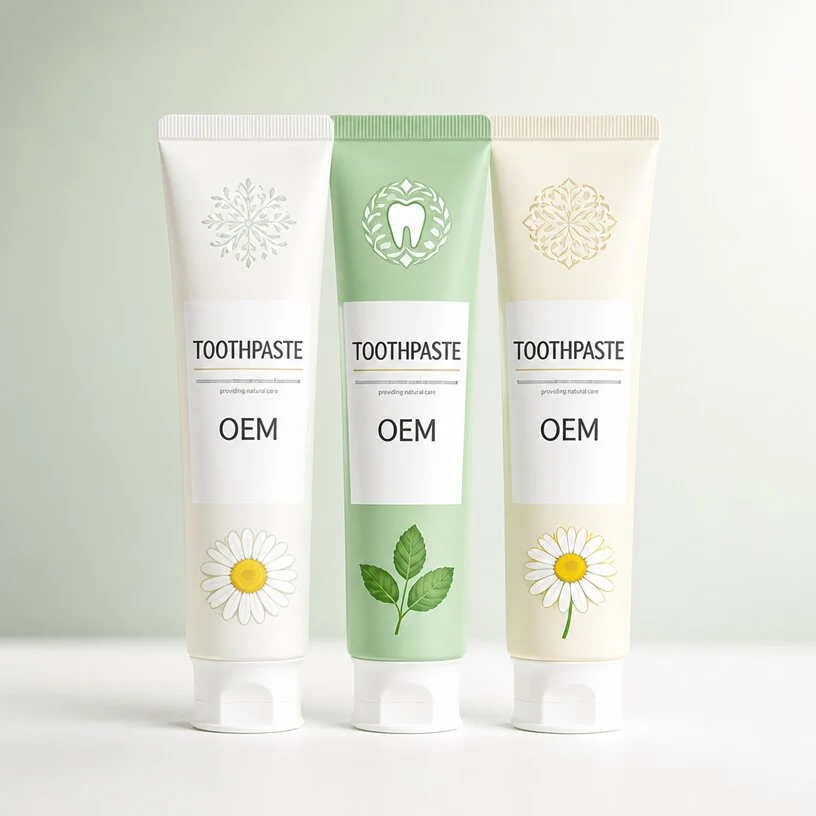
Depending on the formula, the paste may be white, pearl-white, beige, green-tinted, lightly coloured, or another approved shade. It may have a smooth, fine, medium, or softer texture. Thickness, gloss, foam, spreadability, rinsing sensation, and mouthfeel should be checked against the final production sample.
Mint profiles may include mild spearmint, peppermint, or cooling mint. Fruit and citrus options may include berry, watermelon, strawberry, citrus, or mixed fruit. Herbal and botanical profiles may include soft green, leaf, tea, or other agreed notes, subject to the formula and target market.
Ingredient names, plant origin, organic status, certification marks, vegan wording, allergen information, flavour descriptions, warnings, storage, and disposal information vary by formula and market. The finished product must follow the approved local label rather than a general template.
Plant-based or herbal wording does not automatically prove that a product is organic, vegan, therapeutic, or suitable for every user. Each claim should match the actual formula, supporting documents, certification status, and local requirements.
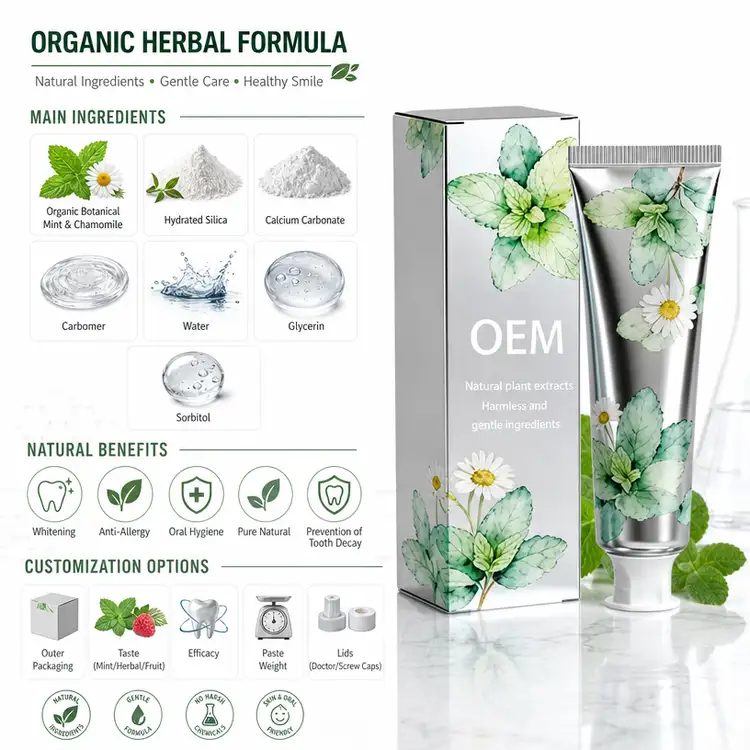
• Suitable for regular adult oral care.
• Provides a clear organic-style, herbal, and plant-based formula direction, subject to the approved ingredients and documents.
• Explains the product concept in simple language that is easy for customers to understand.
• Supports daily cleaning and surface-stain care communication when backed by formula testing.
• Offers flexible paste, foam, rinsing, and flavour options for different markets.
• Suitable for private-label, retail, e-commerce, sampling, and wholesale projects.
Product name: Organic Herbal Plant-Based Toothpaste
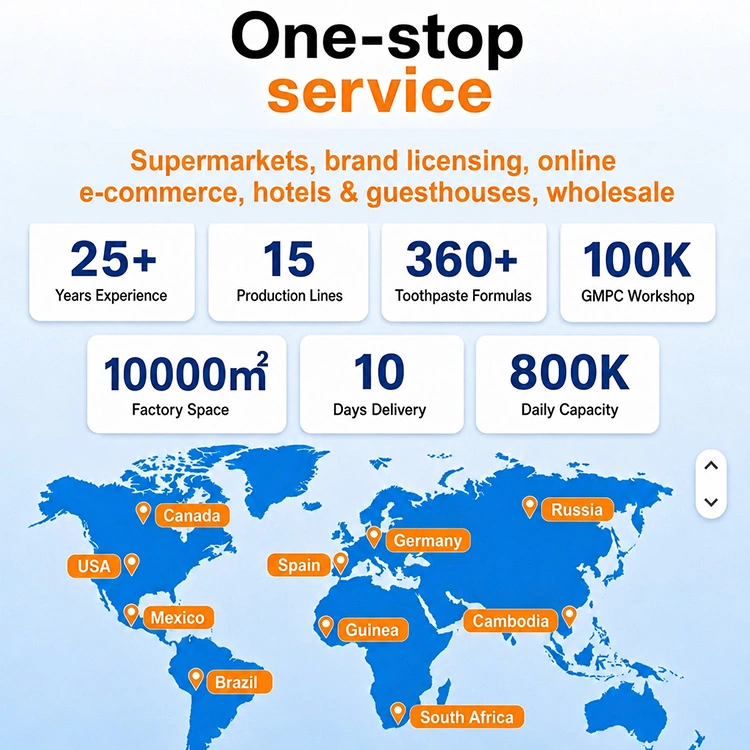
Brand: Guangzhou Bell; private-label branding available
Product format: Adult daily oral-care toothpaste with organic-style, herbal, botanical, and plant-based directions
Intended user: Adults; final wording subject to the approved label and market requirements
Formula direction: Plant-based, herbal, botanical, or organic-style positioning subject to the approved ingredient list
Plant-derived content: Exact ingredients and percentage of plant-derived materials to be confirmed
Herbal ingredients: Specific herbs or botanical extracts to be confirmed by the approved formula
Organic status: To be confirmed through ingredient sourcing, certification, and destination-market requirements
Vegan wording: Used only when the full formula, processing, and certification requirements support it
Cleaning profile: Daily cleaning of tooth surfaces and removal of ordinary food residue
Net weight options: Selected according to the destination market, retail channel, and pack architecture
Tube material: ABL aluminum-plastic tube or PBL plastic tube, subject to artwork and filling requirements
Tube capacity and diameter: To be confirmed according to selected net content and filling volume
Cap options: Upright step-style cap or another compatible design
Paste colour: White, pearl-white, beige, green-tinted, lightly coloured, or another approved shade
Paste texture: Smooth, fine, medium, or soft extrusion texture; confirmed by approved sample
Abrasive system: Reviewed according to formula design, cleaning feel, testing, and target-market requirements
Viscosity and foam: Adjusted according to formula, brushing feel, and target-market preference
Flavour options: Mild mint, cooling mint, fruit, citrus, herbal, botanical, floral, or another agreed profile
Whitening or stain wording: Used only when supported by the final formula, evidence, approved label, and applicable regulations
Allergen and label information: Reviewed according to ingredients, flavour, target market, and approved label
Shelf life and storage: Confirmed by the approved label, stability information, and final storage instructions
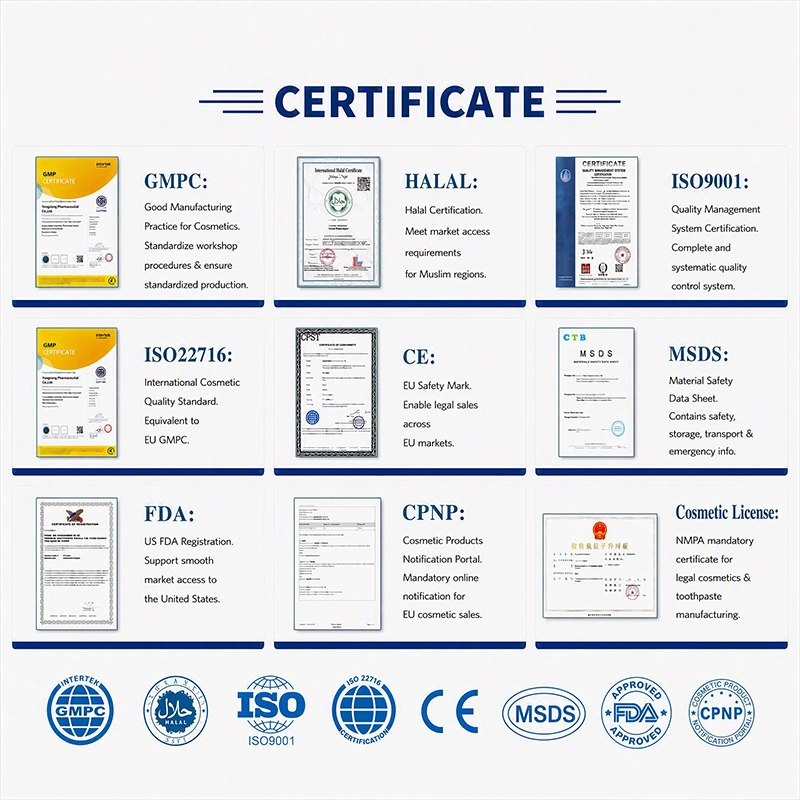
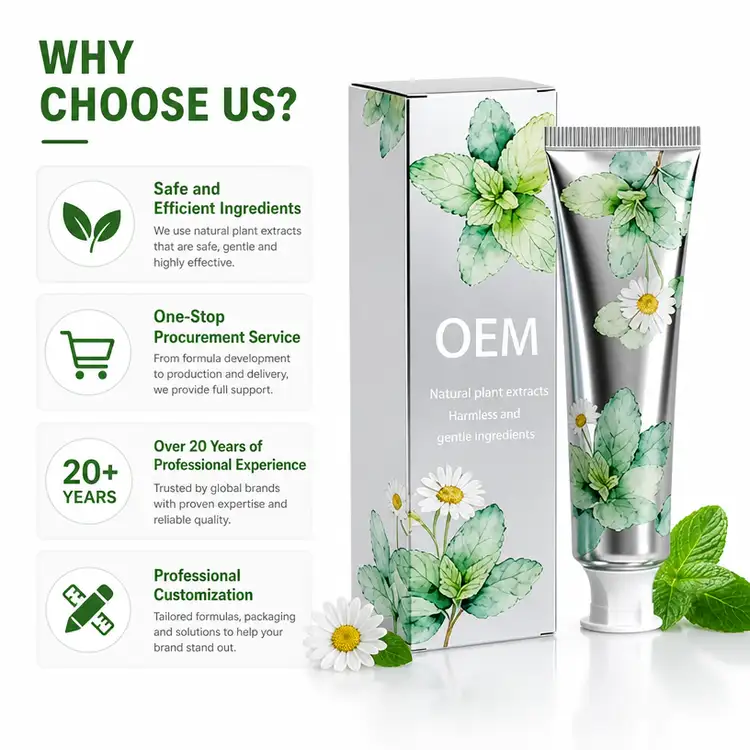
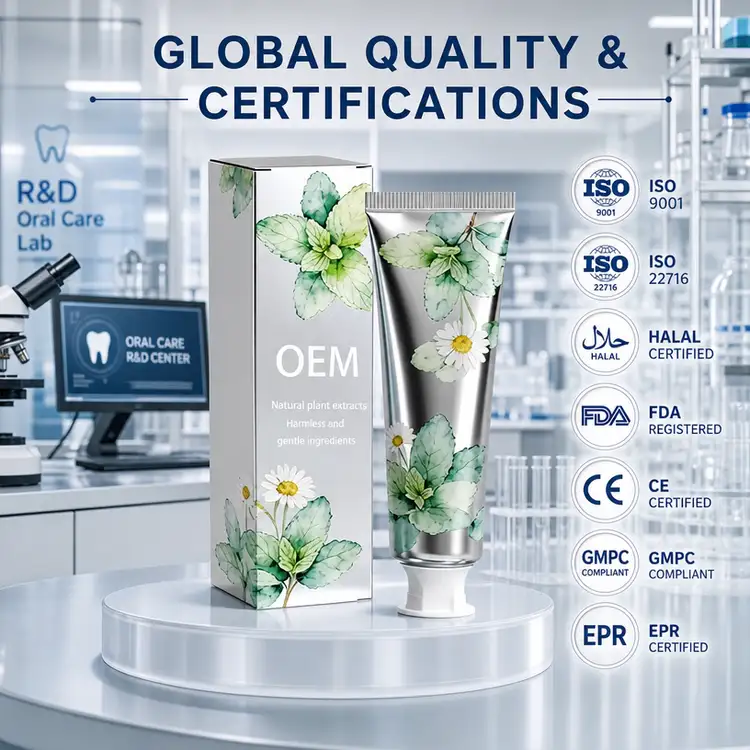
Quality documents: COA, SDS/MSDS, ingredient sourcing documents, organic or vegan certification where available, stability information, microbial reports, and other documents subject to availability
MOQ and lead time: To be confirmed according to formula, plant-based materials, certification requirements, packaging, artwork, order quantity, and production schedule
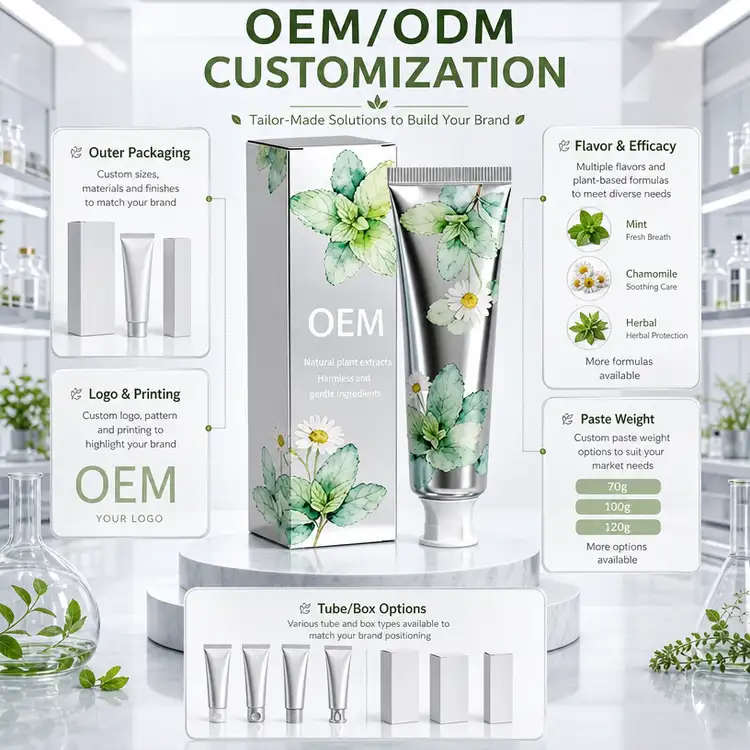
Organic Herbal Plant-Based Toothpaste is developed for brands that want a softer, plant-focused alternative within an adult daily oral-care range. The concept combines regular tooth cleaning with selected herbal or botanical directions, while the final ingredient story, organic status, vegan wording, and product claims remain tied to the approved formula and supporting documents.
Plant-based wording may refer to selected ingredients sourced from plants or botanical materials. It does not automatically mean that every ingredient is plant-derived. The complete ingredient list, supplier records, processing information, and approved label should be reviewed before a final claim is used on packaging or an independent website.
Herbal positioning should match the actual ingredients used in the toothpaste. Botanical extracts, plant-derived flavours, tea notes, leaf notes, or other agreed materials can be considered, but no specific herb, function, concentration, or therapeutic benefit should be stated until it has been confirmed in the formula and technical documents.
Organic, natural, vegan, cruelty-free, and plant-based terms can have different requirements across markets. If certification is not confirmed, the product can be described more carefully as having an organic-style or plant-focused formula direction during development. Final claims should follow certification scope, sourcing records, and local label rules.
A plant-focused story works best when the brushing experience is easy to use every day. Paste texture, spreadability, foam, flavour intensity, aftertaste, rinsing feel, and cleaning sensation can be reviewed through samples. Abrasivity and surface-stain wording should be matched to the tested performance of the finished product.
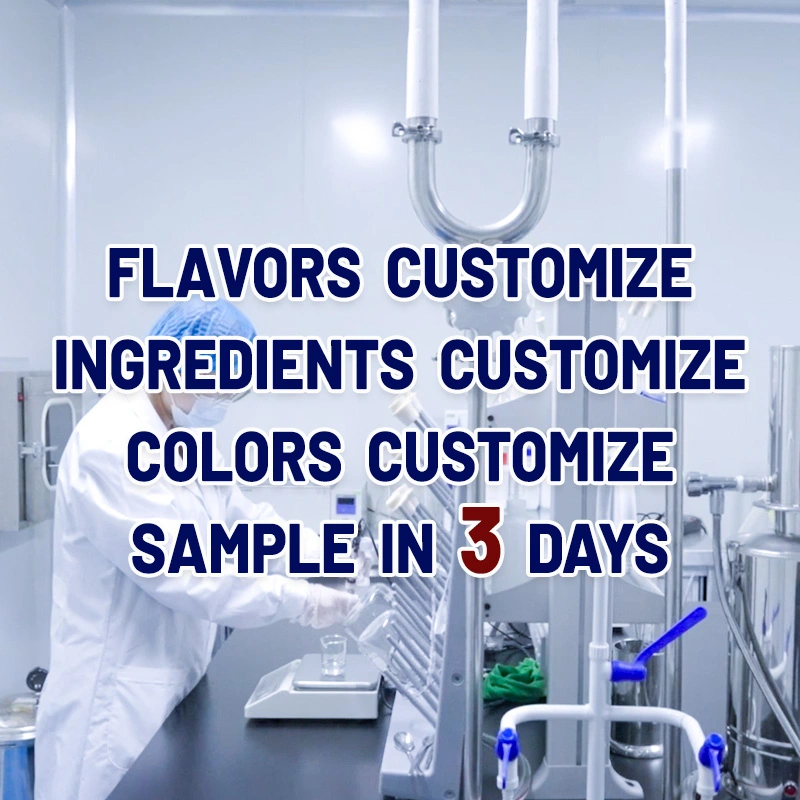
Share the destination country, target adult user, preferred botanical or plant-based direction, organic or vegan requirements, desired cleaning level, flavour, paste feel, retail channel, pack size, estimated order quantity, and documentation needs.
Review the full ingredient list, plant origin, supplier documents, processing information, allergen considerations, certification scope, organic or vegan wording, stain-care language, warnings, storage, and target-market label requirements.
Compare paste colour, texture, spreadability, foam, flavour, fragrance intensity, cooling level, aftertaste, rinsing feel, tube material, cap, carton, printing, surface finish, and the clarity of the customer-facing product story.
Finalise the formula, approved label, ingredient and certification documents, packaging artwork, claims, warnings, quality files, MOQ, lead time, production schedule, and independent-site content before bulk production.
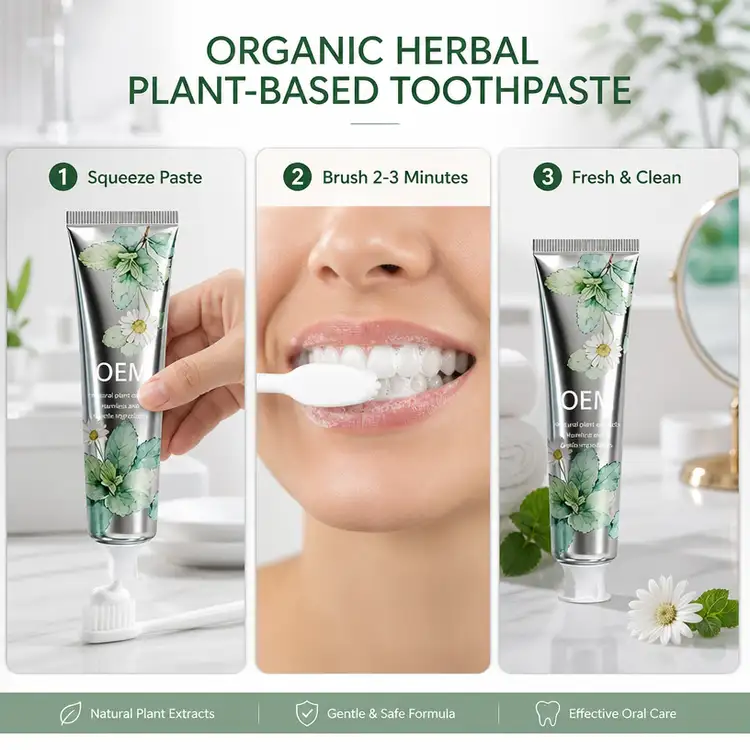
Apply a suitable amount of toothpaste to a toothbrush.
Brush according to the approved product label and recommended frequency.
Brush all tooth surfaces gently and pay attention to the gumline.
Spit out after brushing and follow the label's rinsing instructions.
Do not swallow the toothpaste. Review ingredient and allergen information before use when needed.
Stop use if irritation or unusual discomfort occurs and seek professional advice when needed.
Use, storage, warnings, and disposal should follow the final approved product label.
It means the formula may include selected plant-derived or botanical materials. It does not automatically mean that every ingredient is plant-derived. The full ingredient list and supporting documents should be checked before making a final claim.
Organic certification cannot be assumed from the product name. It depends on the formula, ingredient sourcing, certification scope, production process, and target-market requirements. The final status should be confirmed before launch.
The specific herbs or botanical extracts depend on the approved formula. No individual plant or function should be listed until it has been confirmed in the ingredient documents and label review.
Vegan or plant-based wording requires a full formula and certification review. Use only claims supported by the final ingredient list, processing information, and certification documents where applicable.
The product may be positioned for daily cleaning or surface-stain care if supported by the final formula and tests. Any whitening wording should be confirmed before launch and should not be presented as a fixed-result treatment.
Smooth, fine, medium, and softer textures can be evaluated through samples. Mild mint, cooling mint, fruit, citrus, herbal, botanical, floral, tea, leaf, and other agreed profiles can be discussed.
Yes. Brand artwork, tube material, pack size, cap, printing, surface finish, carton, certification information, and label design can be reviewed for private-label production.
Depending on the project, documents may include COA, SDS/MSDS, ingredient sourcing documents, organic or vegan certification where available, stability information, microbial test reports, and other relevant quality documents. Availability should be confirmed for the selected formula and market.
Send us your destination market, target adult user, preferred botanical direction, organic or vegan requirements, flavour, paste feel, pack format, estimated order quantity, claim requirements, and documentation needs. Guangzhou Bell can review the brief and advise the next step for formula samples, sourcing documents, quotation, and private-label production.
Ingredient identity, plant origin, organic status, certification, vegan or plant-based wording, herbal functions, cruelty-free wording, whitening or stain-care claims, abrasivity statements, flavour descriptions, allergen information, paste specifications, shelf life, testing, warnings, storage instructions, user directions, and regulatory documents must be confirmed against the final formula, approved label, technical documents, certification records where applicable, test reports, and the regulations of the target sales country before commercial launch.
Address
No. A6-3, Saida International Industrial City, Xiqing District, Tianjin, China
Tel