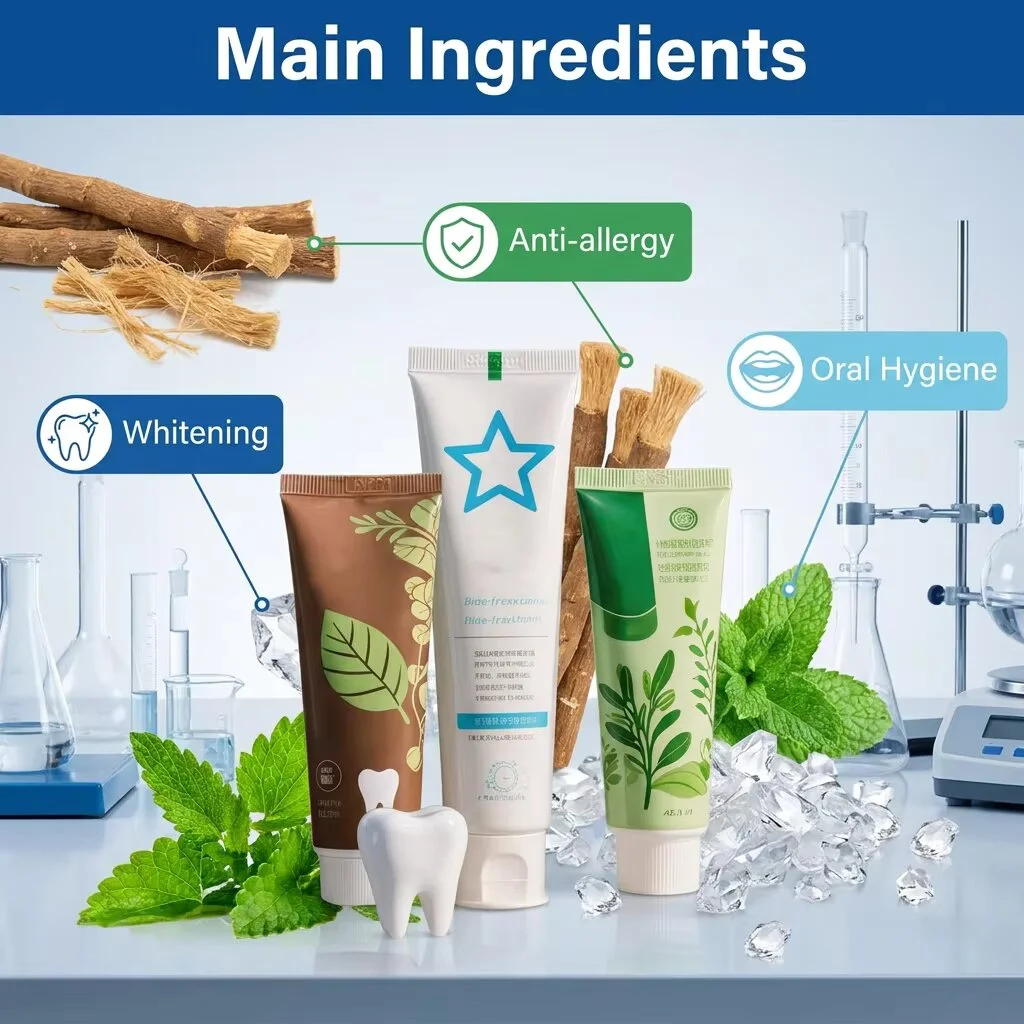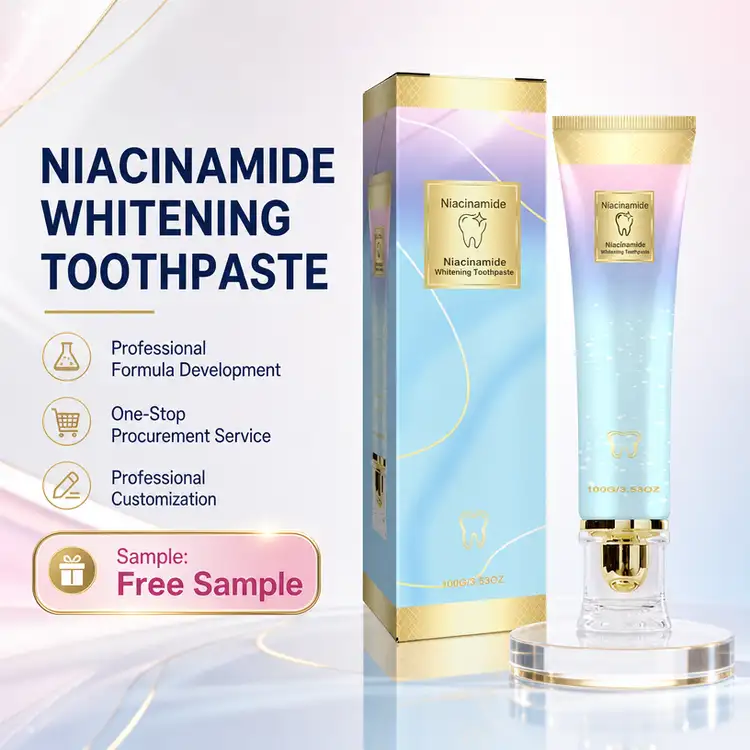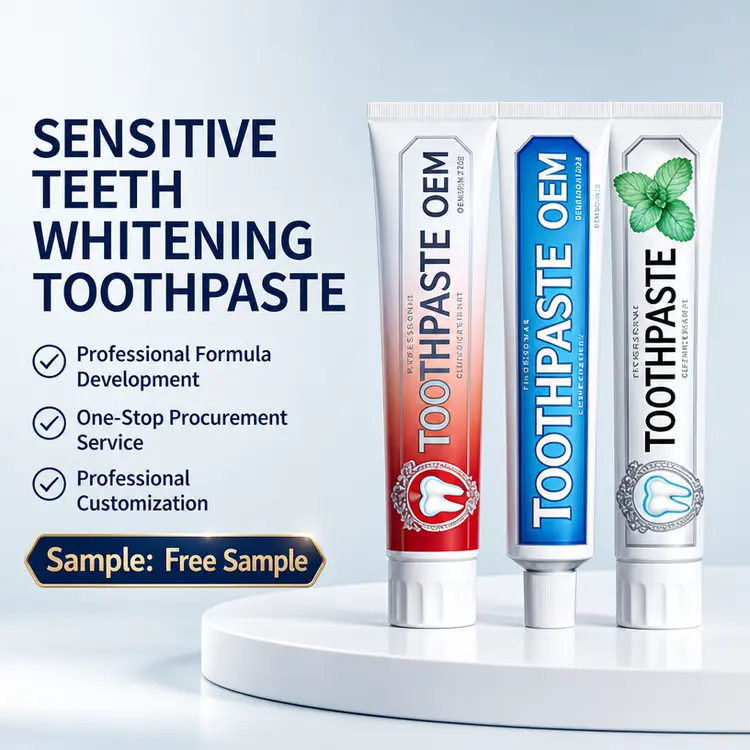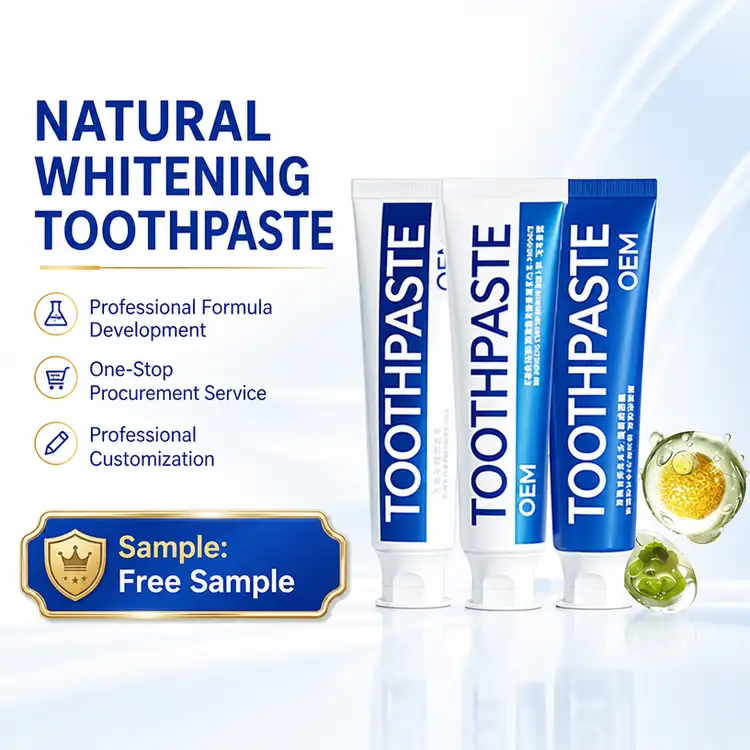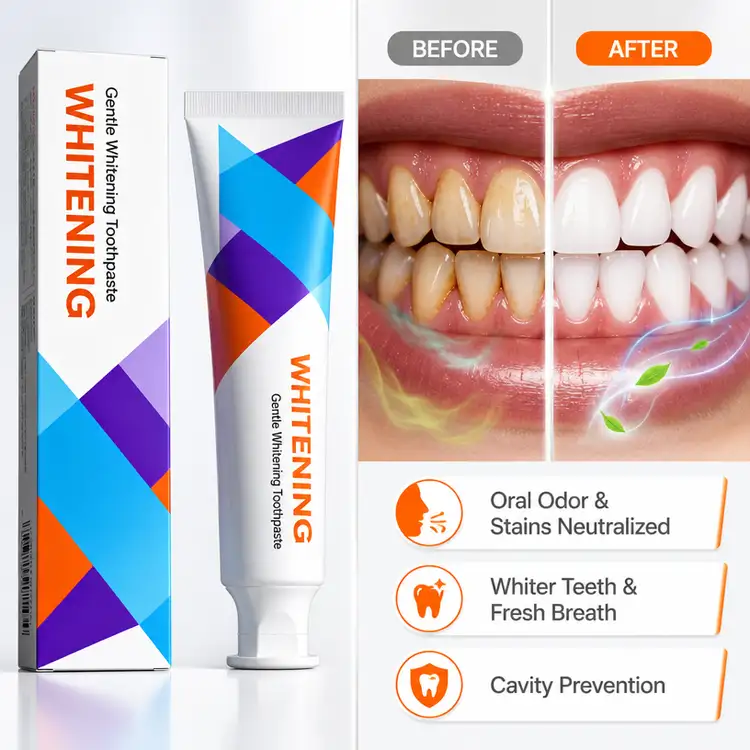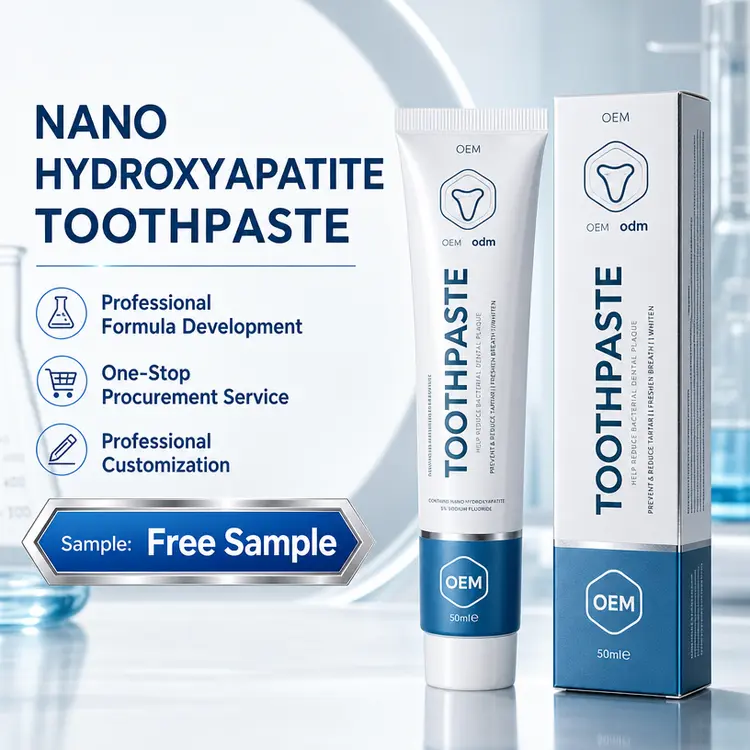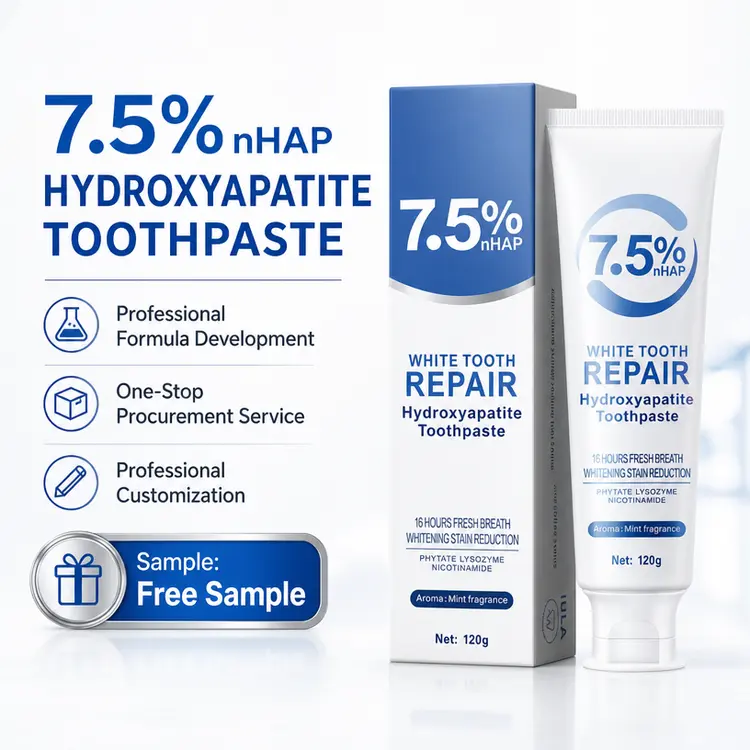
Guangzhou Bell Oral Cleaning Products Co., Ltd. provides toothpaste formulation development, customization and OEM coordination for brands, distributors, pharmacies and wholesalers. Whitening Toothpaste projects can be developed around different stain-care systems, ingredient combinations, flavor profiles, textures and packaging requirements.
As a China-based oral care product supplier, we support product specification discussions, sample development, packaging coordination and production planning for private-label and customized oral-care programs.
Discuss hydrated silica, PAP, pumice, color-correction systems and other ingredient options according to your target consumers, product positioning and destination-market requirements.
Whitening toothpaste is generally designed to help remove certain extrinsic stains or improve the visual appearance of teeth. Its performance depends on the selected ingredient system, abrasivity, contact time, brushing habits and starting tooth shade.
Polishing ingredients such as hydrated silica and pumice can help remove some surface stains caused by coffee, tea, tobacco and colored foods when used in an appropriate formulation.
Selected colorants can temporarily change the visual tone of teeth through complementary-color principles. The appearance depends on the color system and complete formulation.
Ingredients such as PAP may be considered for cosmetic whitening concepts. Their permitted use, concentration and product claims must be assessed for the intended market.
Different ingredients contribute to different product functions. The selection and combination should be based on the intended whitening concept, formula compatibility, abrasivity and applicable regulatory requirements.
| Ingredient / System | Typical Product Role | Development Considerations |
|---|---|---|
| Hydrated Silica | Provides polishing and can help remove some extrinsic surface stains within an appropriate abrasivity range. | Particle characteristics, abrasivity, formula texture and compatibility with other ingredients. |
| PAP Whitening System | Phthalimidoperoxyhexanoic acid (PAP) is used in some cosmetic whitening concepts. | Ingredient specifications, concentration, stability, safety assessment and permitted claims. |
| Pumice | A mineral polishing ingredient considered for selected surface-stain care formulations. | Particle size, abrasivity, dispersion and suitability for the intended user group. |
| Color-Correction System | Uses complementary-color principles to create a temporary visual improvement in tooth tone. | Colorant selection, visual effect, formula stability and market-specific ingredient permissions. |
| Sodium Bicarbonate | May provide polishing and buffering functions in selected toothpaste formulations. | Concentration, taste, formula compatibility and overall product characteristics. |
| Polyphosphates | May support stain-management and tartar-care positioning in suitable formulations. | Ingredient compatibility, formulation stability and substantiation of product claims. |
| Hydroxyapatite | Can be considered for enamel-care and tooth-surface formulation concepts. It is not a primary bleaching ingredient. | Material specifications, dispersion, compatibility and intended product positioning. |
| Fluoride | Can support an anticavity product position in markets where its use is permitted. | Permitted fluoride source, concentration, labeling and local regulatory requirements. |
Ingredient roles are formulation references, not guaranteed performance claims. The final ingredient combination and product claims should be reviewed against relevant testing and destination-market regulations.
Brands can select a formulation direction based on consumer expectations, sales channels and product positioning rather than relying on a single formula for every market.
Develop daily-use concepts focused on surface-stain removal, fresh flavor and suitable polishing characteristics for regular oral hygiene routines.
Explore PAP-based cosmetic whitening concepts with ingredient specifications, stability evaluation and claims reviewed for the destination market.
Consider mineral polishing systems for selected surface-stain care products, with particle characteristics and abrasivity evaluated during development.
Develop formulas using suitable color systems to create a temporary visual brightening effect, subject to ingredient permissions and product testing.
Combine an appropriate stain-care approach with selected enamel-care ingredients for a product positioned around daily oral care.
Discuss ingredient selection, polishing characteristics and flavor preferences for products intended for consumers who prioritize a comfortable brushing experience.
Product specifications can be adjusted according to the intended whitening concept, target consumer, product category and market requirements.
| Customization Area | Available Options | Development Considerations |
|---|---|---|
| Whitening Direction | Extrinsic-stain care, PAP whitening, pumice polishing, color correction and enamel-care concepts | Product positioning, ingredient compatibility and permitted claims |
| Formula Type | Fluoride or fluoride-free, daily-use, sensitivity-conscious, premium and natural-positioned formulas | Ingredient selection, target users and regulatory requirements |
| Polishing System | Hydrated silica, pumice and other suitable polishing systems | Abrasivity, particle characteristics and intended frequency of use |
| Additional Ingredients | Selected functional ingredients, hydroxyapatite, fluoride and other compatible components | Formula stability, ingredient permissions and product claims |
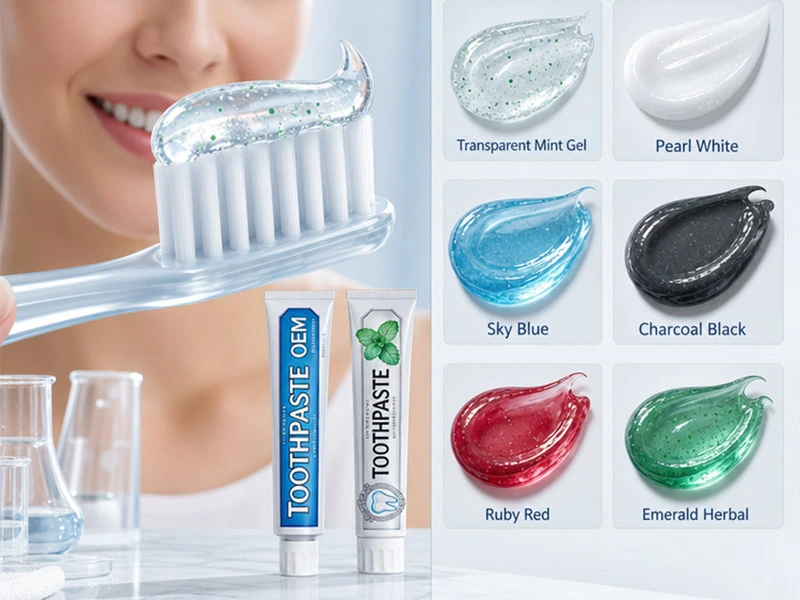
| Flavor | Fresh mint, mild mint, fruit, herbal and customized flavor profiles | Taste balance, flavor intensity and target consumer preferences |
| Color & Texture | White paste, colored paste, gel, striped appearance and smooth textures | Visual consistency, ingredient dispersion and stability |
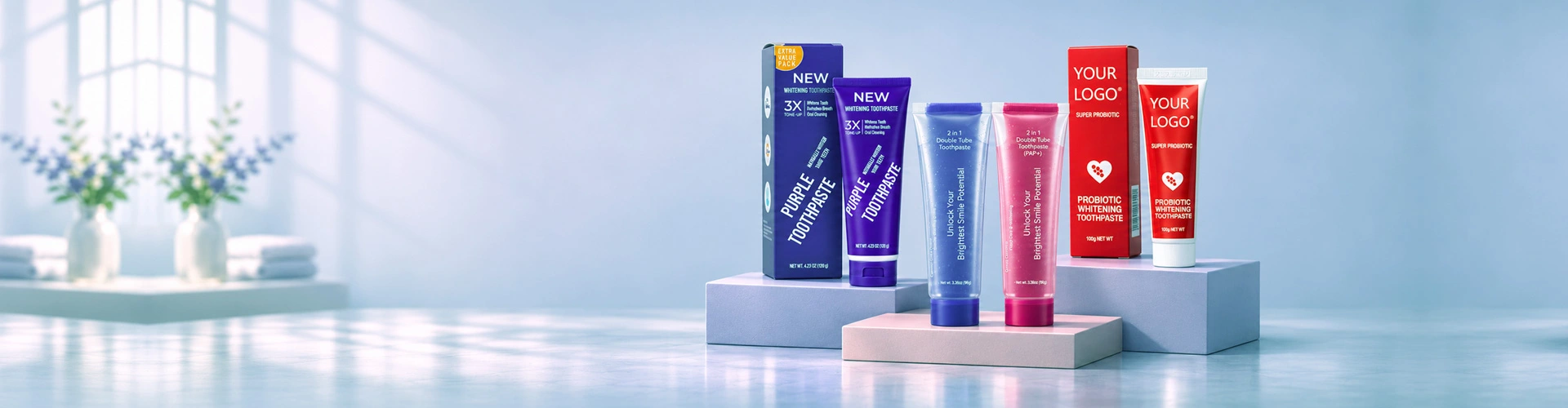
| Packaging | ABL tubes, PBL tubes, pump packaging, customized caps and outer cartons | Material compatibility, capacity, printing and packaging availability |
| Labeling | Brand artwork, label language, directions for use and market-appropriate claims | Ingredient declarations, warnings and destination-market regulations |
Packaging affects product presentation, filling compatibility, transportation and retail use. We can coordinate packaging specifications and artwork discussions as part of your customized toothpaste project.
Aluminum barrier laminate tubes can be considered for products requiring a barrier packaging structure. Capacity, cap style and printing options depend on the selected specification.
Plastic barrier laminate tubes provide another option for different brand presentations, product sizes and packaging requirements.
Pump formats can be evaluated for products requiring an alternative dispensing method. Formula and component compatibility should be confirmed before production.
Whitening product development requires careful consideration of raw materials, formula performance, abrasivity, stability and product claims. Specifications and documentation should be reviewed before the final product is approved.
Review ingredient identity, specifications, purity and available supplier documentation.
Evaluate polishing systems and relevant abrasivity characteristics according to the intended product use.
Assess ingredient compatibility, appearance, texture and stability under applicable testing conditions.
Arrange applicable microbiological evaluation and product quality checks according to project requirements.
Check ingredient declarations, directions, warnings and whitening claims against destination-market regulations.
Coordinate applicable COA, SDS, product specifications and relevant testing-support documents where available and required.
Surface-stain removal, optical color correction and chemical whitening are different product concepts. Claims about whitening performance, sensitivity and enamel effects should be supported by appropriate evidence for the final formulation.
Each project follows a structured process to clarify product requirements, review formulation feasibility and confirm specifications before production arrangements.
Provide your target market, consumer profile, whitening concept, preferred ingredients, estimated quantity and packaging preferences.
Discuss the whitening system, ingredient combination, fluoride preference, flavor, texture and applicable product claims.
Arrange sample development where applicable, evaluate the sensory experience and review formula and packaging adjustments.
Confirm final specifications and artwork before coordinating production planning, quality inspection and shipment.
Order quantities and production schedules depend on the selected formula, whitening ingredients, packaging materials and customization requirements.
Approximately 5,000–10,000 pieces for many private-label projects. The final MOQ depends on the formula, packaging and production arrangements.
Approximately 3 days for applicable projects. Customized formulas or special ingredient requirements may require additional development time.
Approximately 30 days as an initial reference. The confirmed schedule depends on specifications, order quantity and packaging readiness.
These figures are preliminary references rather than guaranteed terms. Please confirm the actual MOQ, sample schedule and delivery time for your project.
Common questions from brands, distributors, importers and wholesalers planning customized oral-care products.
Common formulation options include hydrated silica, PAP, pumice, sodium bicarbonate, polyphosphates and selected color-correction systems. Hydroxyapatite and fluoride may also be considered for other product functions, depending on the formula and market requirements.
Surface-stain removal uses polishing or cleaning systems to help reduce certain extrinsic stains. Chemical whitening involves a different ingredient mechanism and must meet the applicable regulatory requirements. Optical color correction creates a temporary visual effect rather than removing stains.
Yes. Fluoride-free formulation options can be discussed according to your product concept, ingredient preferences and destination-market requirements.
PAP-based cosmetic whitening concepts can be evaluated according to ingredient specifications, formula stability, safety assessment and the regulations of the intended market. Final claims should be supported by appropriate product evidence.
Yes. Flavor profiles, paste color, gel appearance, texture, tube capacity, cap style, artwork and outer carton specifications can be discussed during product development.
The typical MOQ for many private-label toothpaste projects is approximately 5,000–10,000 pieces. The actual quantity depends on the selected formula, packaging and production arrangements.
Sample preparation can be arranged for applicable projects. The schedule depends on whether an existing formula can be used or customized development is required.
Please provide your target market, whitening concept, preferred ingredient system, fluoride preference, flavor, packaging format, product capacity and estimated order quantity. Any required testing or documentation standards should also be included.
Planning a daily stain-care formula, PAP whitening concept or premium oral-care product? Share your target market, ingredient preferences, packaging specifications and estimated order quantity. Guangzhou Bell can help review development requirements, coordinate sample preparation and discuss suitable production arrangements for your private-label project.
Request a Product Quote